If there’s one myth that continues to cause unnecessary fear, mislabeling, and even relinquishment of dogs, it’s the idea that any bark or growl is a sign of aggression. In reality, dogs have a rich, nuanced communication system, and vocalisations are only one small part of it. When we interpret every sound as a threat, we miss the opportunity to understand what our dogs are actually trying to say.
A bark is not a sentence, and a growl is not a verdict. They’re simply signals, and like any language, context is everything.
Dogs Speak in More Than One “Tone”
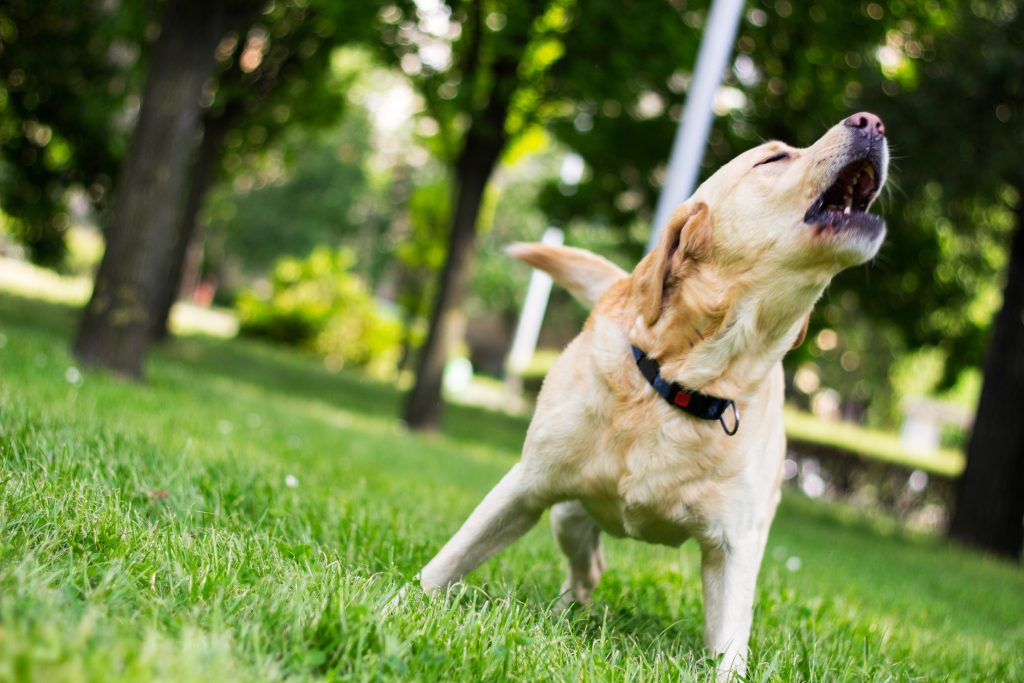
Dogs bark and growl for many reasons, and most of them have nothing to do with aggression. Think of these sounds as information, not intent.
Common non-aggressive reasons dogs vocalise:
- Alerting: “Something changed in my environment.”
- Play: “This is fun—keep going!”
- Frustration: “I want something, but can’t access it.”
- Fear or uncertainty: “I’m uncomfortable and need space.”
- Communication with humans: “I need help,” “I’m excited,” or “I’m confused.”
- Arousal: High energy, not hostility.
A growl during a tug game is worlds apart from a growl when a dog is cornered. The sound may be similar, but the emotional state is not.
Growling Is Communication, Not Defiance
One of the most misunderstood behaviours is growling. Many people see it as a sign of dominance or aggression, but in truth, a growl is a dog’s early warning system. It’s a request for space, a signal of discomfort, or a way to avoid escalation.
Suppressing growls, by scolding or punishing, doesn’t make a dog safer. It simply removes the warning, leaving the dog with fewer tools to communicate before they feel forced to escalate.
A growl is a gift. It tells us:
- Something is wrong.
- The dog is uncomfortable.
- We have time to adjust the situation.
Context Is Everything
A bark or growl without context is like hearing a single word in a foreign language. You can guess what it means, but you’ll probably be wrong.
Consider:
- Body language: Are muscles loose or tense? Is the tail wagging high and stiff, or low and sweeping?
- Environment: Is the dog playing, guarding, startled, or overwhelmed?
- History: Is this a known trigger or a new situation?
- Intensity: Is the vocalisation sharp and repetitive, or low and rhythmic?
When we look at the whole picture, the meaning becomes much clearer.
Play Growls: The Most Misunderstood Sound
Many dogs growl during play, especially during rough-and-tumble games or tug. These growls are often:
- Higher pitched
- Rhythmic
- Accompanied by loose, wiggly body language
Play growls are a sign of enthusiasm, not aggression. Dogs who enjoy play often vocalise more, not less.
Fear-Based Vocalisations Aren’t “Aggression”
A dog who barks or growls out of fear isn’t being aggressive; they’re trying to create distance from something that feels threatening. Labelling these dogs as “aggressive” can delay or derail the support they need.
Fear-based vocalisations often come with:
- Leaning away
- Lip licking
- Yawning
- Avoidance
- Tucked tail
- Whale eye
These dogs need safety, predictability, and gentle guidance, not punishment.
Why Mislabeling Vocalisations Causes Harm
When we assume every bark or growl is aggression, we risk:
- Misdiagnosing behaviour problems
- Increasing fear or stress in the dog
- Damaging trust between dog and human
- Missing early signs of discomfort
- Escalating situations that could have been de-escalated
Understanding vocalisations helps us respond appropriately and compassionately.
A More Accurate, Empathetic Approach
Instead of asking, “How do I stop the barking or growling?” a better question is:
“What is my dog trying to tell me?”
This shift:
- Builds trust
- Improves safety
- Strengthens the human–animal bond
- Helps us address the underlying emotion, not just the sound
When we listen to our dogs, really listen, we give them the respect and support they deserve.
Final Thoughts
Barks and growls are not the enemy. They’re part of a dog’s natural communication toolkit. When we understand them, we can respond with empathy, clarity, and confidence.
A dog who feels heard is a dog who feels safe. And a dog who feels safe is far less likely to escalate to true aggression.